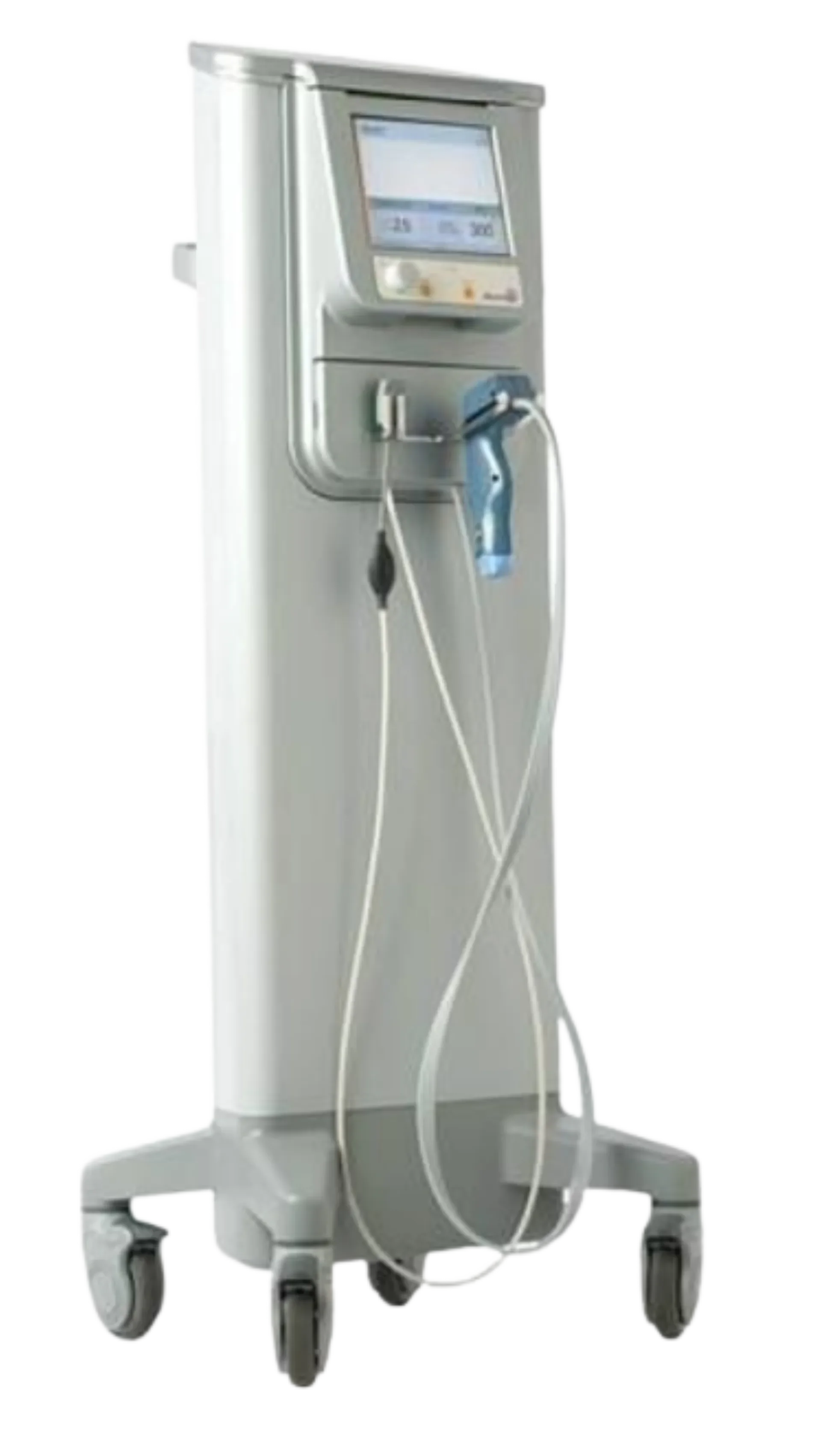
Device Note
Mainland Coordinator Vetting Checklist for Thermage FLX
WeChat verification, pre-arrival communication standards, and the practical tests that separate a real Mandarin coordinator from a hotel-tier translator.
The most important professional relationship a Mainland Chinese patient has during a Myeongdong Thermage FLX trip is with the Mandarin coordinator, not the operating physician. The coordinator owns the WeChat (微信) pre-arrival cadence, conducts the consultation translation in real time, manages the discharge briefing in Mandarin, and runs the 30 to 90-day post-trip follow-up. A capable coordinator turns a cross-border procedure into a clean, well-orchestrated trip. A weak coordinator turns it into a 小红书 cautionary post. This checklist is the practical vetting workflow before sending the deposit — WeChat verification, response-time tests, specificity tests, and clinical-translation tests that distinguish a coordinator who is part of the clinical-operations team from one who is functionally a hotel concierge with a translation app. The vetting takes 7 to 14 days and is the highest-leverage diligence a Mainland patient can do.
Why the coordinator is the single most important vetting target
The Mandarin-language coordinator at a Myeongdong clinic is not a translator-for-hire. They are embedded in the clinical-operations team, though not licensed to practice medicine. A reputable clinic structures the role as follows: pre-arrival WeChat communication and document collection, patient interview alongside the operating physician with real-time Korean-Mandarin translation, treatment-room presence throughout the Thermage FLX session, post-treatment discharge briefing in Mandarin, post-trip WeChat follow-up for at least 30 days (often 90), and primary point of contact for any concern. This scope is structurally different from a hotel concierge or freelance translator hired ad hoc. The quality of the coordinator is one of the most reliable quality signals for the entire clinic. A coordinator who replies with two-day lag and deflects clinical questions is a signal in the other direction — one to treat with the same seriousness as the device-verification question.
WeChat verification — the first 48 hours of contact
The WeChat (微信) verification phase starts the moment the Mandarin coordinator's QR code lands in the patient's inbox. Five items belong in the first 48 hours. Personal-name verification: coordinator introduces themselves by both Korean name (transliterated to pinyin) and Mandarin name, and confirms they will be present on treatment day. Group-chat vs one-on-one structure: a reputable workflow uses one-on-one WeChat, not a group chat where messages get lost. Credential verification: coordinator confirms in writing the Korean Ministry of Food and Drug Safety registration of the Thermage device, references the Solta Medical authorised-provider listing, and shares any KHIDI medical-tourism facilitator references. Pre-arrival document set: consent form in Mandarin (or bilingual), pre-treatment skincare adjustment list (retinoids, blood thinners, photosensitizing oral medications), and treatment-day timeline. Response baseline: reputable coordinators reply within 4 to 6 business hours on weekdays and within 24 hours on weekends, with substantive responses rather than placeholder acknowledgments. A coordinator who fails to clear all five items in the first 48 hours is one whose clinic the patient should reconsider before paying the deposit.
Pre-arrival communication standards — the 21-day to 1-day cadence
The cleanest Mainland Chinese Thermage FLX trips follow a structured pre-arrival cadence. Day minus 21: coordinator introduces themselves, confirms treating physician, appointment date and time, shares the full treatment plan in writing (tip type, shot count, anesthesia tier, CNY-equivalent price). Day minus 14: coordinator shares the consent form in Mandarin; patient asks questions in WeChat, coordinator either answers immediately or escalates to the physician and replies within one business day. Day minus 7: coordinator confirms logistics — subway exit, building name in Korean and English, clinic floor, driver-pickup options, arrival time, dress recommendation, 24-hour pre-treatment food and skincare rules, and any prescription-medication adjustments. Day minus 3: final confirmation, updated photos for physician's review, direct Korea mobile number for emergency contact. Day minus 1: arrival confirmation, clinic street address in Korean and English, reminder to bring passport and prescription list. A reputable coordinator initiates this cadence proactively. If the patient is doing all the initiating after day minus 21, that is the warning sign before they leave their apartment.
The three pre-deposit vetting tests
Three concrete tests separate a clinical-operations coordinator from a hotel-tier translator. Run all three before wiring any deposit. Response-time test: send a non-trivial clinical question — for example, 'I am on tretinoin 0.05% at night; should I stop, how many days before treatment.' A capable coordinator replies within 24 hours with a specific recommendation confirmed with the physician (typically stop 5 to 7 days before, resume 5 to 7 days after). A weak coordinator replies in 48 to 72 hours with a generic template. Specificity test: ask for the exact subway exit, building name in Korean and English, clinic floor, receptionist language coverage, and WiFi credentials. A capable coordinator answers all five crisply. A weak coordinator sends a Naver Maps screenshot and nothing else. Clinical-translation test: ask the coordinator to translate in writing the meaning of 'tip count commitment' and 'energy level titration' for Thermage FLX. A capable coordinator either has these in their working vocabulary or escalates to the physician and replies with an accurate definition (tip count commitment = disposable tip calibrated for a fixed pulse count, after which it expires; energy level titration = real-time energy adjustment based on patient comfort feedback). A weak coordinator paraphrases vaguely. A coordinator who passes all three is the one to rely on. A coordinator who fails two or more is a signal to reconsider the clinic before the deposit.
In-clinic translation standards — what to expect in the consultation and treatment room
The in-clinic phase is where coordinator quality becomes most visible. During consultation, a capable coordinator sits beside the patient, translates sequentially after the physician speaks, and translates questions back with full fidelity. They do not summarize three sentences of physician explanation into 'doctor says it is fine' — that pattern is the single worst signal and should be called out immediately. When the physician makes a recommendation, the coordinator restates it in Mandarin and asks the patient to confirm understanding. For Thermage FLX, the consultation should cover tip type, shot count by zone, energy-level approach, anesthesia tier, and expected pain level — translated, not just the price. In the treatment room, the coordinator should be present for the initial setup, including the unsealing of the Thermage tip — the device-authentication moment. They translate operator instructions in real time. If pain crosses tolerance, the patient says so in Mandarin and the coordinator communicates to the operator within seconds without softening the feedback. A capable operator steps down the energy level immediately. After treatment, the coordinator manages the discharge briefing: what to expect over 6 hours, 24 hours, 7 days, 90 days; complications protocol; topical aftercare; and the post-trip follow-up schedule.
Post-trip follow-up cadence — the 90-day window
The post-trip phase is where most Myeongdong clinics quietly diverge in quality. Day plus 1: coordinator checks in on WeChat, asks how the patient is feeling, replies to any photo within hours. Day plus 3: second check-in, confirms mild swelling is resolving, reminds the patient to avoid heat, alcohol, and intense exercise. Day plus 7: photo check-in — coordinator asks for a non-flash photo in natural light, forwards to the treating physician, replies with the physician's read. This is the most important post-trip touchpoint because it is the window when delayed complications become visible. Day plus 14: light check-in. Day plus 30: mid-result check-in — at one month, results are beginning to show but are not yet at peak. Coordinator sets realistic expectations: peak at three months, holding through twelve to eighteen months for most patients. Day plus 90: peak-result check-in with updated photo, optional video consult, either confirming satisfaction or scheduling a remediation conversation. Reputable clinics keep this cadence with a single named coordinator throughout. Less reputable clinics drop off after day plus 3 or hand the patient off to a group WeChat. The patient should ask explicitly during the pre-trip phase what the post-trip cadence will be and which named coordinator will own it.
Red flags — when to walk away before the deposit
Six patterns warrant walking away from a Myeongdong clinic before paying the deposit, regardless of headline price. Coordinator refuses to share the device serial or reference the Solta Medical authorised-provider listing. Coordinator gives the all-in protocol price only verbally and refuses to put it in writing on WeChat. Coordinator's WeChat profile shows the account was created within the last 30 days or is a generic shop-front account. Coordinator insists on communication only through a multi-coordinator group chat where the primary responder is ambiguous. Coordinator avoids the response-time, specificity, or clinical-translation tests by deflecting with 'we will explain everything in person.' Coordinator pressures commitment within a short deadline ('promotional price expires Friday') as a structural sales tactic. Any one is a yellow flag. Any two are a red flag. Three or more are a signal to walk away. The Korean medical-tourism regulatory framework administered by the Korean Ministry of Health and Welfare sets transparent-communication expectations that KHIDI-registered facilitators are expected to maintain.
Documentation — what the Mainland patient should keep from the WeChat exchange
The WeChat (微信) record serves as the de facto contract for the trip. Mainland patients should preserve screenshots of the coordinator's introduction, the written all-in protocol quote including tip type and shot count, the consent form in Mandarin or bilingual format, the device specification ('4th-generation Solta Thermage FLX, Total Tip 4.0'), the deposit cancellation and refund terms, the coordinator's direct Korea mobile number, the clinic's exact street address in Korean and English, the pre-treatment skincare adjustment list with dates, the discharge briefing summary translated to Mandarin, and the post-trip follow-up schedule with named coordinator continuity. After the trip, preserve the photo check-in record through day plus 90 and any physician feedback forwarded via the coordinator. Should a dispute arise — clinical, billing, or service — the WeChat record is the documentation needed to support a claim. Reputable Myeongdong clinics treat the WeChat exchange with the same formality as a written contract and do not surprise the patient with verbal-only changes on treatment day. The expectation is bidirectional: ask only material questions in writing and do not rely on side-channel verbal commitments.
“Vet the coordinator before you vet the clinic. The coordinator's response-time, specificity, and clinical-translation patterns are the most reliable proxies for clinical-operations quality you will see before the trip.”
Wang Yu-Han, editorial lead
Frequently asked questions
What language certification should the Mandarin coordinator hold?
Either native Mandarin proficiency or HSK 6 with documented medical-terminology training. Korean clinical-operations exposure of 2+ years is the practical baseline; translation accuracy matters more than certification alone.
Is WeChat sufficient or should I also have email contact?
WeChat (微信) is the primary channel for Mainland patients in 2026. Email backup is recommended for document attachments but day-to-day workflow runs on WeChat. Ask for an email address as fallback before the trip.
Can I switch coordinators if the assigned one is not performing?
Yes. Request the clinic manager on WeChat. A reputable Myeongdong clinic reassigns without resistance if the coordinator is failing response-time or specificity standards. A clinic that refuses is a signal to reconsider the clinic itself.
How do I verify the coordinator is actually employed by the clinic?
Ask the coordinator to confirm employment via the clinic's official WeChat public account (公众号) or an email from the clinic's verified business domain. Freelance or third-party agency coordinators are a different risk profile.
What if the consultation reveals a different protocol than the pre-arrival quote?
A reputable coordinator and physician explain any clinical-judgment change in real time and confirm consent before proceeding. The patient is not obligated to accept the change; if material, the patient can pause, request the WeChat-quoted protocol, or walk away under the deposit policy agreed pre-trip.
Is it appropriate to record the consultation?
Generally yes, with explicit verbal permission from the physician and coordinator at the start. Most reputable Myeongdong clinics accommodate this given the cross-language complexity; a clinic that refuses recording outright is a yellow flag worth weighing.
What is a reasonable response time on WeChat outside business hours?
Within 24 hours on weekends and Korean public holidays is the baseline. Within 4 to 6 hours on weekday evenings is reputable. Same-day reply to clinical questions during the 7-day pre-trip window is the premium-tier standard.
How does coordinator quality affect outcome quality?
Materially. Pain feedback, aftercare adherence, and early detection of delayed complications all depend on translation accuracy and follow-up discipline. A capable coordinator is a structural contributor to outcome quality, not a peripheral service line.